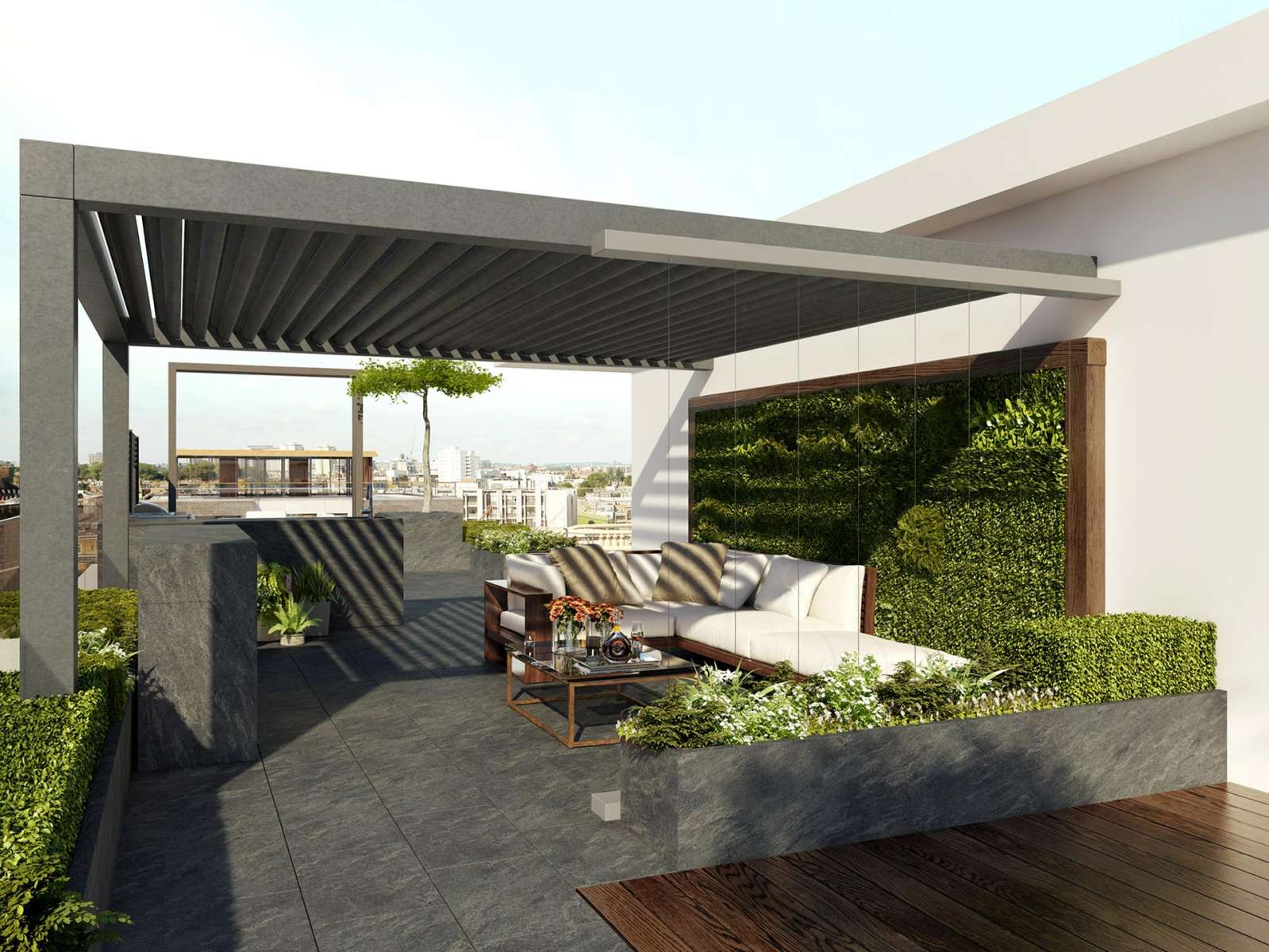
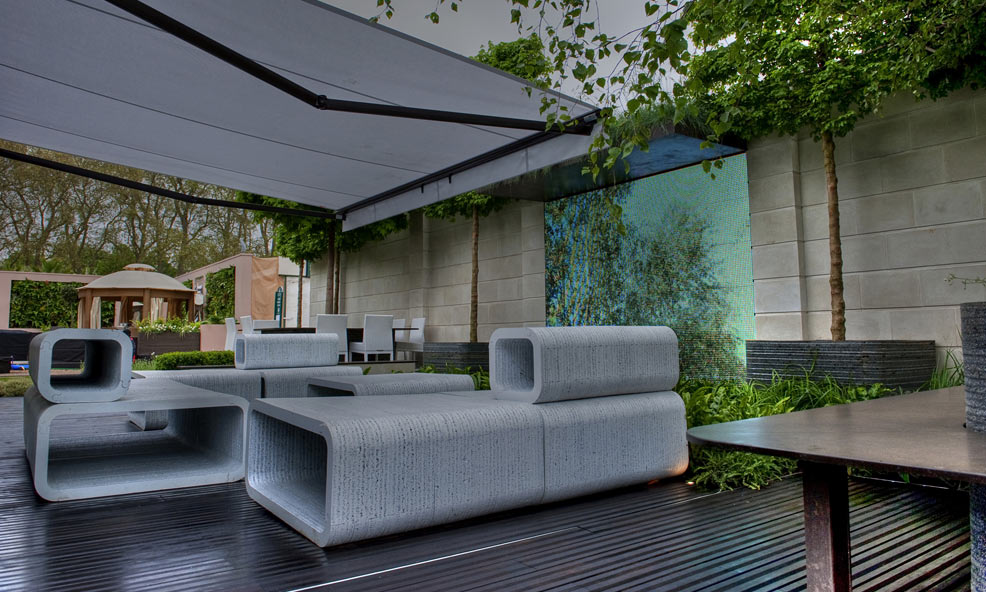
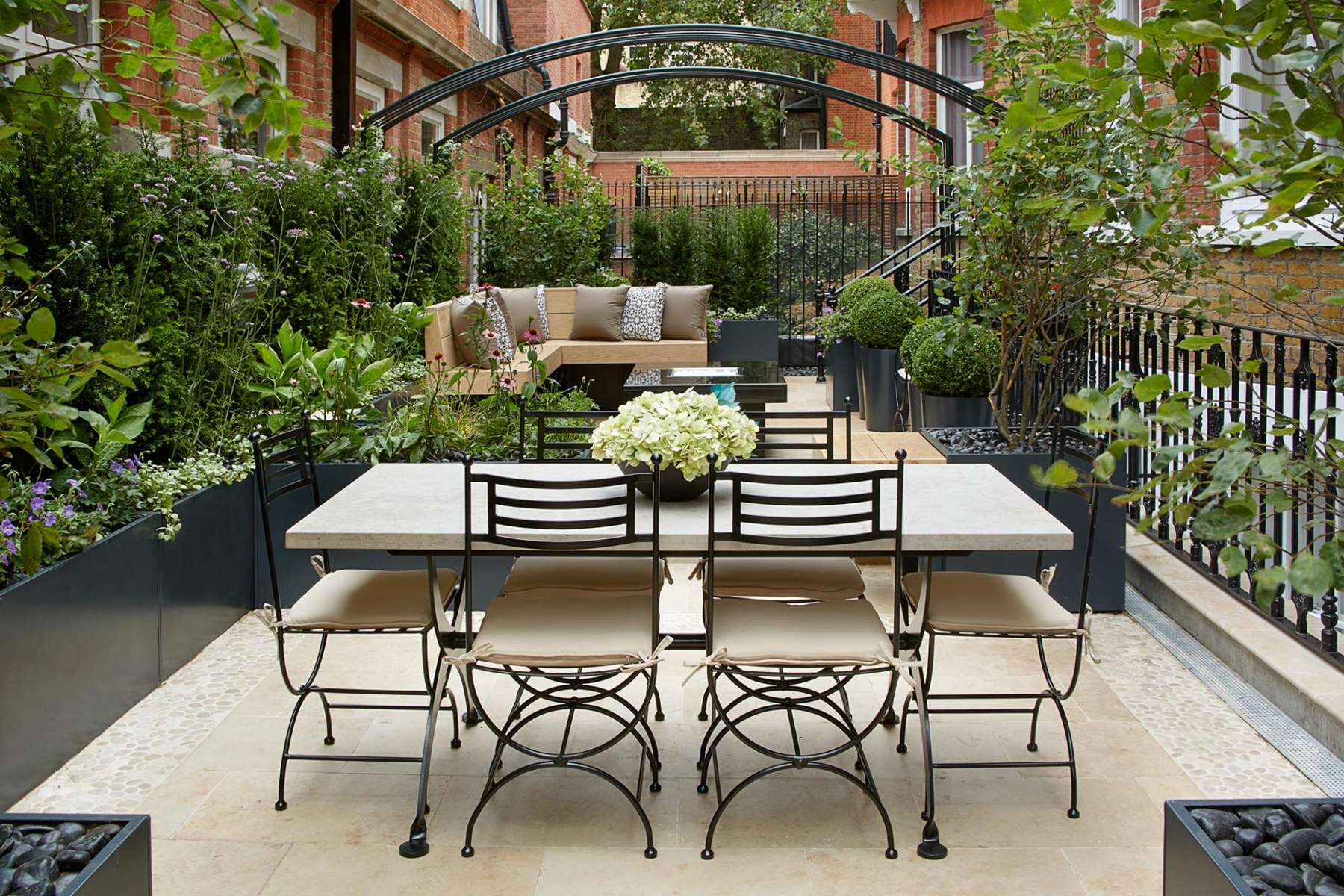
With outdoor space a real premium in cities and urban settings, roof terraces have seen a massive boom in popularity, becoming one of the largest gardening trends of 2016. Whilst its known roof terraces are perfect for summer, they can also provide ideal entertaining and relaxing spaces in the winter months…
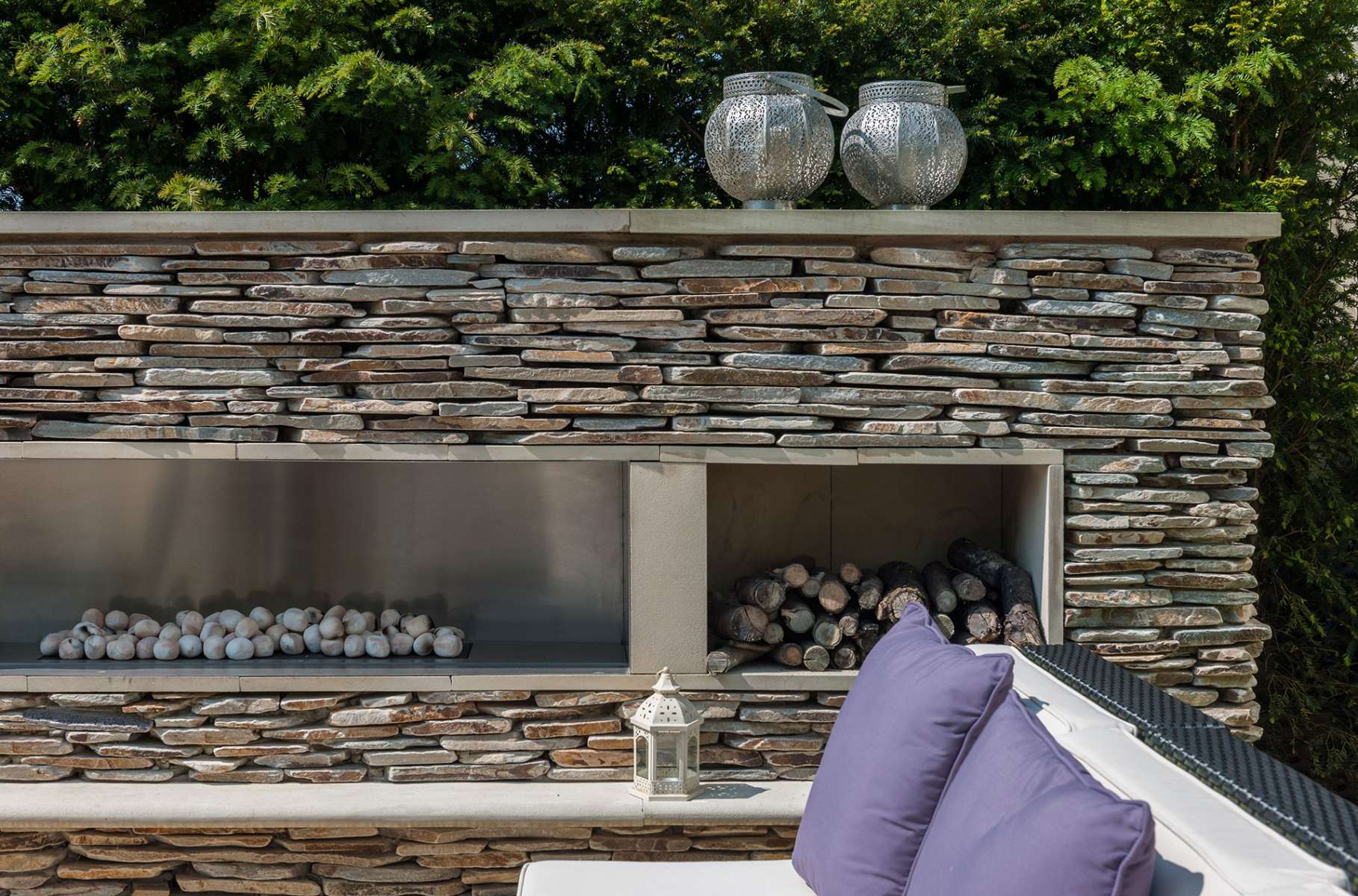
To make the most of your roof terrace, it is essential to create an outdoor space that is accommodating even in the colder winter weather. Incorporating a fireplace or gas fire table will create warmth in your terrace, allowing you to still enjoy your roof terrace and roof top views, even on colder evenings. Steer clear from bioethanol items (they just don’t give out enough heat), instead select gas or wood fired items, like the bespoke outdoor fireplace used in our Essex Country Estate project; this will ensure your fireplace produces enough heat for you to be able to relax comfortably outside. Adding a fireplace doubles as a great design detail, as it will create a focal point for the roof terrace, even in the warmer seasons. Another way to generate heat on your roof terrace is through wall mounted infra-red heaters. If you’re looking for a unique warming idea, consider adding a BBQ to your terrace, or a Green Egg. Not only great for summer, a BBQ will offer a reason for you to brave the cold, and maybe even mix things up with a Christmas BBQ – the Green egg is perfect for cooking your Christmas turkey and other Sunday roasts.
To enjoy your fireplace, as well as your roof top garden, it is essential that you incorporate seating that will not only provide comfort, but be able to withstand the winter weather conditions. We’d recommend the latest rattans, which we featured in our 2012 RHS Chelsea Flower Show Garden, ‘Rooftop Workplace of Tomorrow’. These rattans are perfect for all seasons, as they’re both rain and UV proof. Outdoor furniture is important for a roof terrace, as it can be used to create an architectural focus within your garden during autumn and winter, as well as summer. Selecting bold, architectural pieces will do this well. Remember though to take any cushions inside over winter when not in use, in order to avoid any damage and stop them from blowing away!
By introducing dynamic shapes through furniture, the roof terrace will remain aesthetically pleasing all year round. Consider introducing shape and texture through manmade elements, such as timber or stone, like the Cocktail Bar island we featured in our Ganton Street Roof Terrace design. Lighting the space can subtly enhance key features as well as allowing you to make use of the garden in darker months. For those preferring not to brave the winter weather, introducing lighting in your roof terrace provides you with great views from inside your property.
Man-made elements, such as powder coated metal and stained glass, can also be used in order to introduce colour within a roof terrace garden. Incorporating art, sculptures or statement panels will inject colour into the roof terrace that will remain all year round. Make sure to keep your colour scheme consistent throughout, running with a particular colour throughout the terrace will create cohesion for the outdoor space. Shy away from dark materials and colours if your roof terrace is in a dark space, instead opt for lighter colours that will create a more spacious feel – incorporating a smoked mirror will also help to reflect light in confined spaces and generally make the space appear bigger.
Planting like evergreen hedging – such as Box (Buxus sempervirens), Yew (Taxus baccata) or Portuguese Laurel (Prunus Iustitanica) – can be used to provide great all year structure, but plant them in good time before the harsh winter weather hits. Similarly, there are plenty of evergreen ferns which look great over winter, provided they’re in a more sheltered and partially shaded spot. If space is limited, look at installing a green wall, which can act as pieces of artwork, tapestries of foliage and provide a dramatic focal point for views from inside. For a very low maintenance option, use grasses and perennials which peak in late summer. You can leave these plants un-cut all winter and allow frost and snow to cover them, offering a different dimension and aesthetic. Carry out any pruning and shaping on your plants before winter hits – pruning over winter, particularly on tender shrubs and evergreen hedges is not advisable.
For further information or to contact Aralia to discuss potential projects:
t 0044 1279 721 461